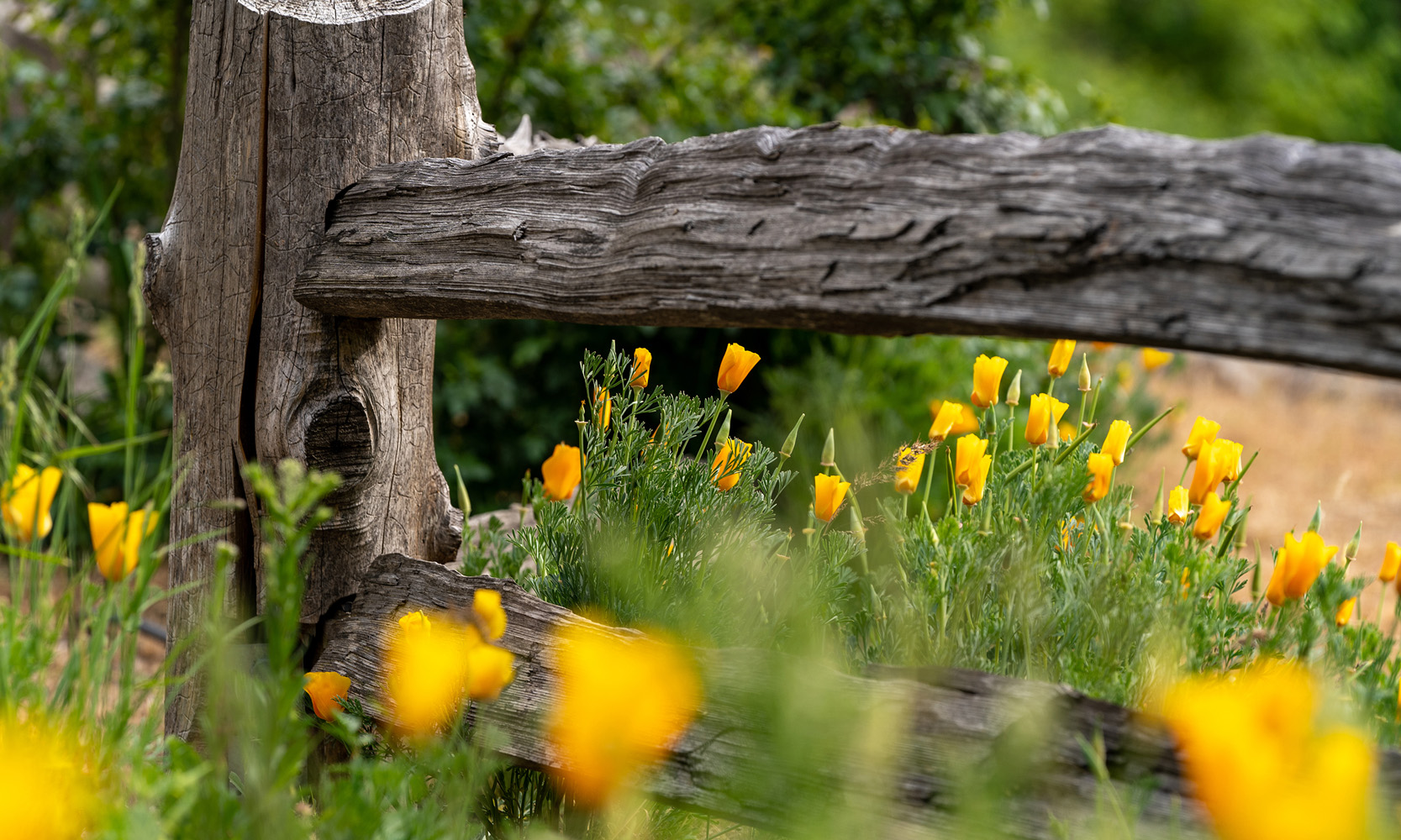

Unbeknownst to most outside of Northern California, South Yuba River State Park is one of the Golden State’s most prized natural treasures. From the thunderous roar of spring runoff to the longest covered bridge in the world, scenic overlooks, and wildflower-filled trails, this park is packed with Sierra foothill magic.
Spanning more than 11,000 acres along a winding 20-mile stretch of the South Yuba River Canyon, the park is laid out like a patchwork quilt—beautiful, but not always easy to navigate.
That’s where our First Timer’s Guide comes in. We’ll show you the must-see spots and help you explore this majestic slice of the Sierra like a seasoned visitor.
Where to Start – Bridgeport Crossing
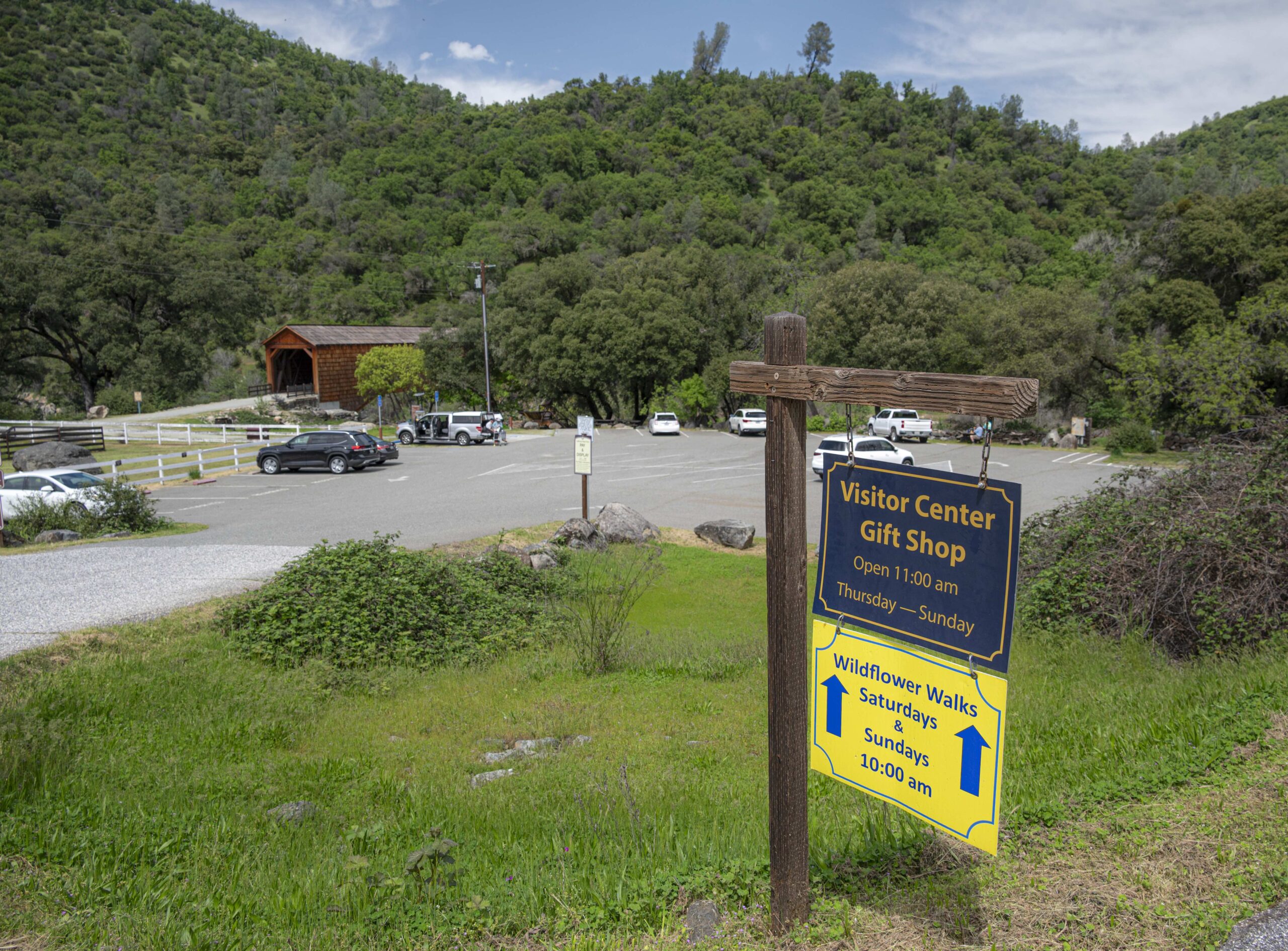
No matter when you visit, start your adventure at the Bridgeport Crossing, the main gateway to South Yuba River State Park.
If the Visitor Center is open, it’s worth a stop. You’ll find trail maps, the latest info on trail conditions, and what areas are open or closed.
Visitor Center hours:
- Memorial Day to Labor Day: Daily from 11 AM to 4 PM
- Rest of the year: Thursday to Sunday, 11 AM to 3 PM
Right next door, explore the Historic Barn and the Wagon Collection, showcasing “The Story of Two Hundred Years of Transportation” from Western Nevada County to the gold and silver mining fields. This is also where you’ll find the restored Bridgeport Covered Bridge—the longest single-span covered bridge in the world!
Seasonal Must-Do’s

In spring, the Buttermilk Bend Trail becomes the wildflower hotspot in the county.
If you’re up for a bit more challenge (and even more stunning views), the Point Defiance Loop is a great option. In fall, the foliage bursts with color, while spring brings vibrant wildflower blooms.
And during summer through early fall, don’t miss the gold panning demonstrations at the visitor center. Afterward, try your luck along the South Yuba River—you get to keep what you find!
49er Crossing
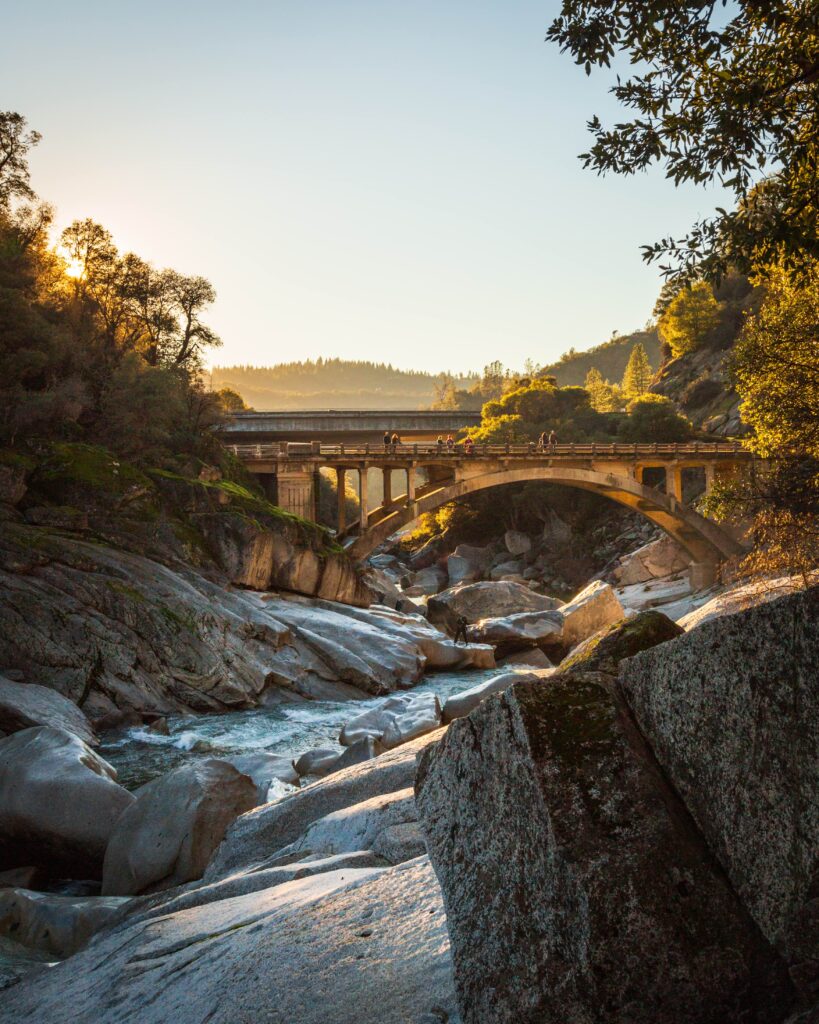
As you travel upstream along the wild and scenic South Yuba River, you’ll come upon the 49er Crossing section. As the name suggests, it’s accessed via one of Nevada County’s most scenic drives, Highway 49.
At this spot, two bridges create a striking contrast: one is modern, while the other, built in 1922, has been repurposed as a pedestrian walkway and bike path. It’s also a popular entry point to the river. However, easy access doesn’t mean it’s safe. This section of the South Yuba is known for being especially treacherous. Before you consider jumping in, make sure to read our guide Yuba River Swimming Holes: Do’s & Don’ts to help you stay safe.
During peak season, be aware that parking fills up quickly. Check out our smart tips and parking hacks to make the most of your visit.
You’ll also find Hoyt’s Trail, which is especially beautiful in the spring when wildflowers are in bloom. It’s actually an incredible hike year-round thanks to the stunning views of the steep-walled canyon.
Purdon Crossing to Edwards Crossing
Continuing your journey east, the next major segment of the South Yuba River State Park includes the Purdon Crossing and Edwards Crossing areas. Although these two spots are separate, the land between them is BLM-managed and easily accessible via the South Yuba Trail.
No matter which crossing you start from, expect a slightly rugged approach. Access involves driving on a dirt road. However, the reward is well worth it: fewer crowds and a more peaceful experience.

This section of the park is home to two of Nevada County’s historic bridges: Purdon and Edwards Crossing. Each bridge has its own unique architecture and fascinating history, which we explore in detail in our article on the great bridges of Nevada County.
One of the best ways to experience both crossings is by hiking the South Yuba Trail, stretching about five miles. This trail runs along the shadier south side of the canyon, featuring plant life and wildlife adapted to cooler, moister conditions. These are quite different from what you’ll find on the sunnier Buttermilk Bend Trail.
For a shorter option, the Spring Creek Trail at Edwards Crossing offers another scenic way to enjoy the river’s natural beauty.