The Gold Rush brought more than just wealth to Nevada County, California, and the United States—it sparked innovation, led to the first environmental laws, and triggered migration not only from the eastern U.S. but also from China. Here are five surprising California Gold Rush facts from Nevada County’s history you may not know!
#1 First Hardrock Gold Discovery Happened By Accident
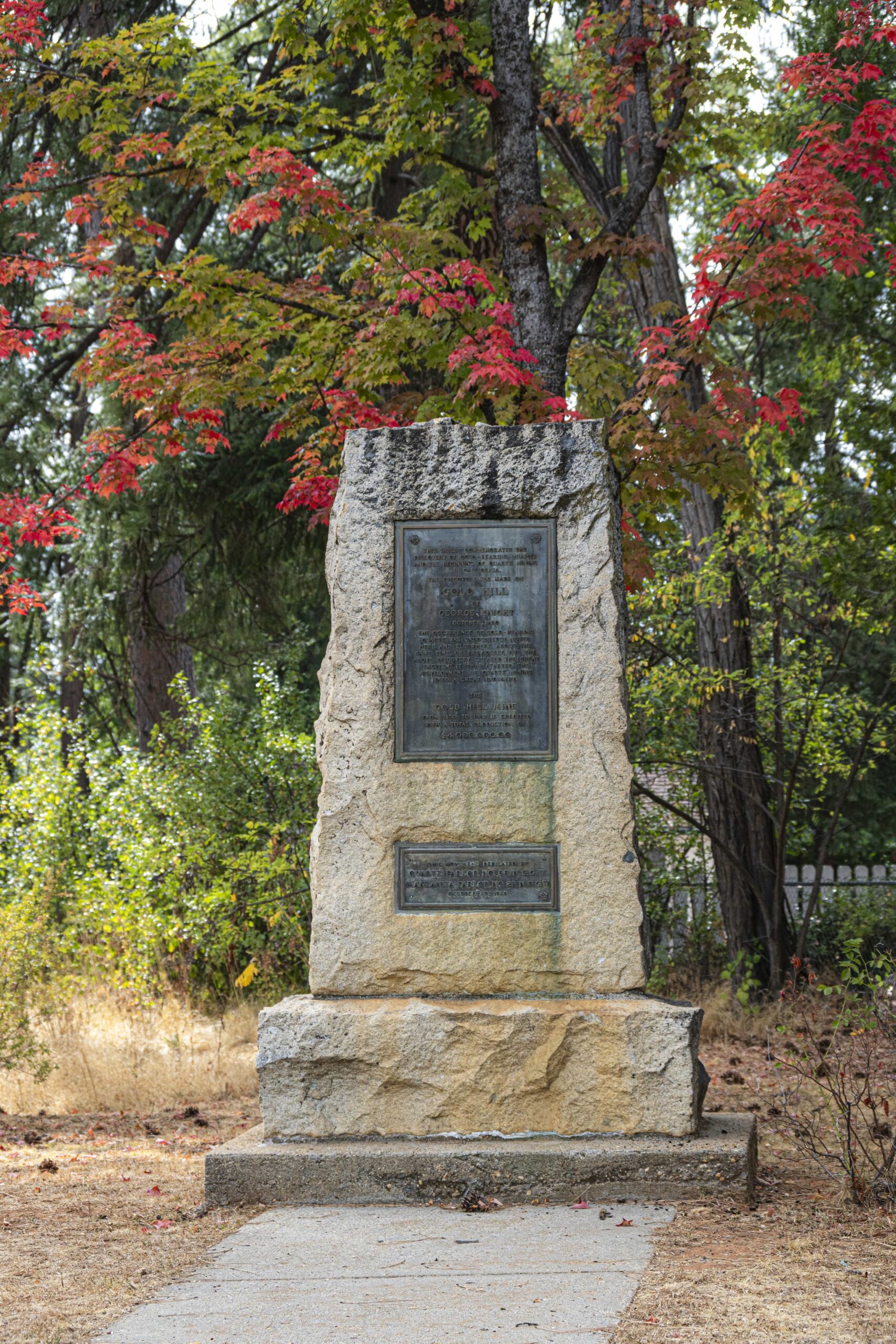
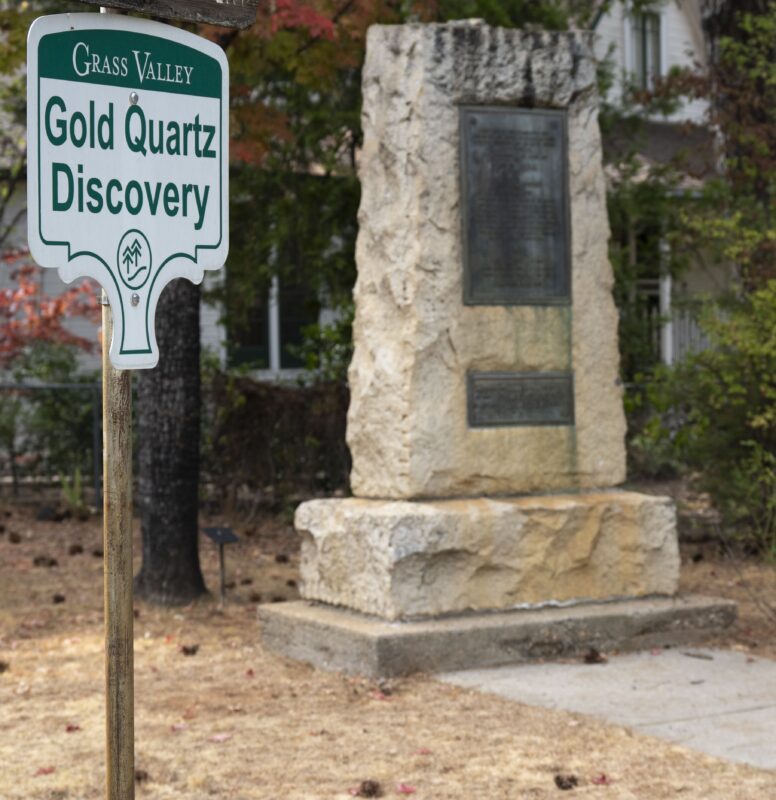
Nearly two years after James W. Marshall’s accidental discovery of gold, another chance find sparked the next wave—this time in Grass Valley in 1850. George McKnight is credited with discovering the first gold-bearing quartz in what is now known as Gold Hill.
While there are a few versions of the story, our favorite goes like this: McKnight’s cow escaped its tether and bolted across the landscape. While chasing after it, McKnight stubbed his toe on an outcropping of rock that broke off easily. Upon closer inspection, he noticed it was streaked with gold.
That accidental discovery marked the beginning of serious mining in Nevada County.
#2 Richest Gold Mine in California History Is Empire Mine
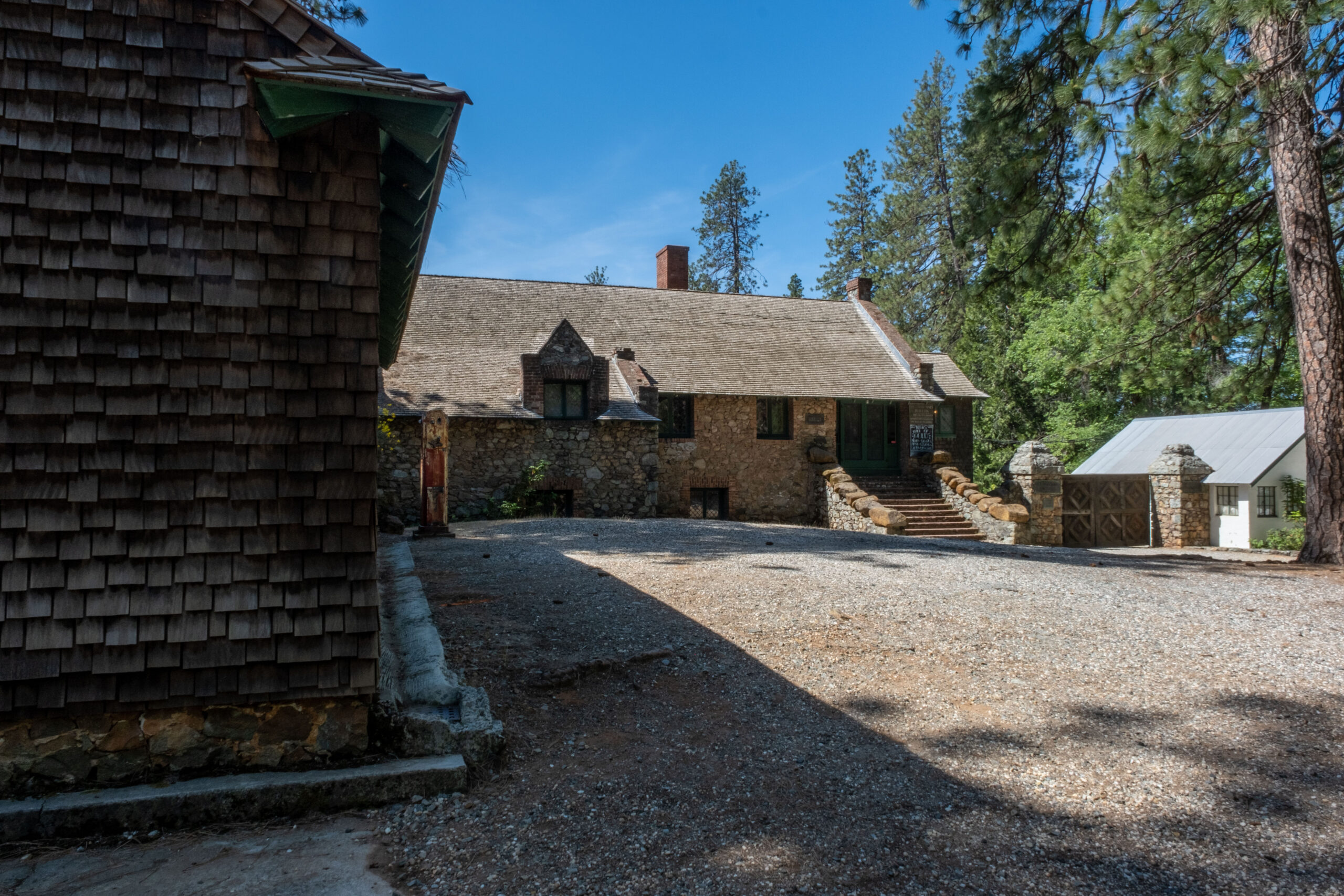
It wasn’t gold panning that put Nevada County on the map—it was hardrock mining. About a mile from McKnight’s discovery, more gold-bearing quartz was found in what is now Empire Mine State Park.
Hardrock miners worked in deep vertical or inclined shafts, following rich “shoots” of gold-filled quartz. At its peak, the Empire Mine operated a 30-stamp mill capable of crushing 40 tons of ore each day.
From 1850 to 1956, the Empire Mine produced an estimated 5.8 million ounces of gold from 367 miles of underground tunnels. By the end of its more than century-long run, it had become the richest gold mine in California history.
#3 Gold Rush Sparked the First Environment Law in History

As the towns of Nevada City and Grass Valley boomed, wealthy mine owners commissioned grand homes—testaments to the immense wealth being pulled from the ground. But upstream prosperity brought downstream problems.
In the 1860s and 1870s, the North Bloomfield Mining Company used high-pressure water cannons, known as “monitors,” to blast apart mountainsides in search of gold. While effective at extracting gold, this hydraulic mining left behind massive debris. Tailings clogged streams, ruined farmland, and caused severe flooding in the valleys below.
After a long legal battle, the hydraulic mining era ended on January 7, 1884, when Judge Lorenzo Sawyer issued a permanent injunction against dumping mine waste into the Yuba River—marking one of the first major environmental rulings in U.S. history.
Today, the site of this massive operation is preserved as Malakoff Diggins State Historic Park. Once home to the world’s largest hydraulic gold mine, its dramatic scars remain, but nature is slowly reclaiming the land.
#4 Modern Hydroelectric Power Was Born
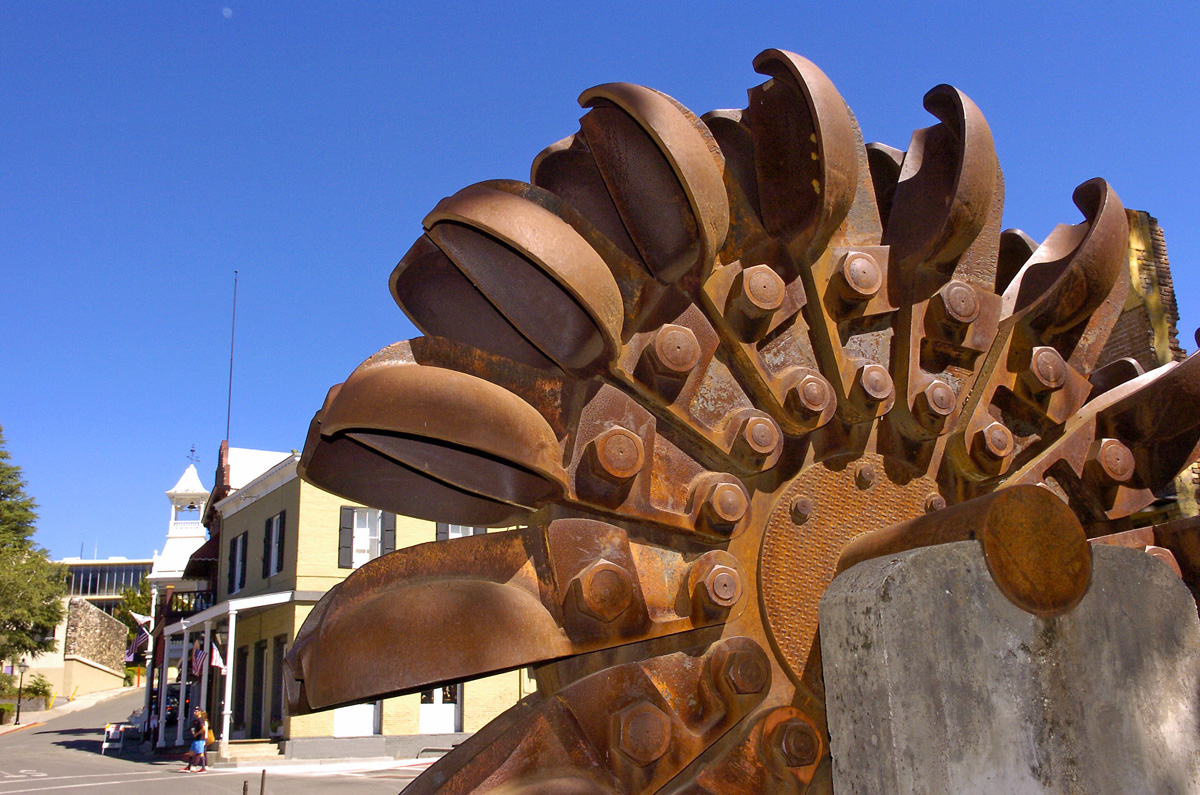
Mining—especially hardrock mining—requires a lot of power, and in the late 19th century, one of the most accessible sources was water. Traditional waterwheels had been around for centuries but needed massive amounts of water to operate efficiently. Nevada County didn’t have large rivers, but it did have fast-moving mountain streams. That’s where Lester A. Pelton came in. In 1879, he built his first Pelton Wheel at the Miners Foundry. His innovative design used the kinetic energy of high-speed streams, making it far more efficient than earlier wheels. The Pelton Wheel revolutionized hydroelectric power—and you can see the largest one ever built from his era at the Northstar Mining Museum, along with other fascinating artifacts.
#5 California’s Gold Mountain Inspired Chinese Farmers to Come
After the Gold Rush, a new boom began—this time for silver in Virginia City. As the Transcontinental Railroad was being built, the Central Pacific Railroad struggled to keep workers, who often left for the silver mines.
In 1865, they began hiring former Chinese gold miners, eventually recruiting thousands more from China. Many were poor farmers from the Guangzhou region, drawn by stories of “California’s Gold Mountain.” In return for passage, they agreed to work on the railroad, with the promise their bodies would be returned to China if they died.
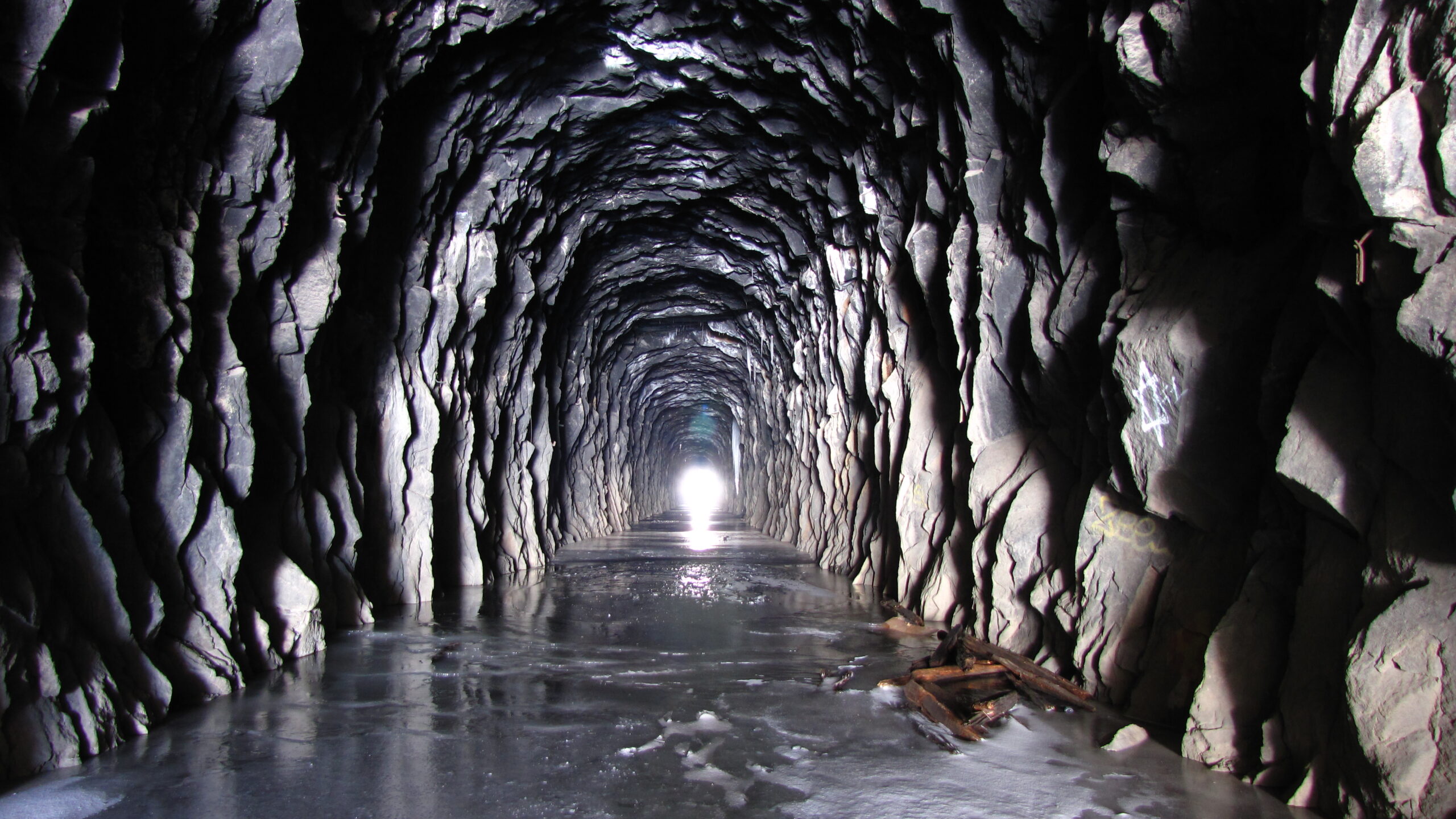
One of the railroad’s most crucial segments—the Donner Pass Summit Tunnels—is just outside Truckee. Over 12,000 of the 15,000 workers who built these tunnels were Chinese. To learn more about their contributions to Truckee and the state of California, check out Visit Truckee-Tahoe’s Chinese American History page.
To learn more Gold Rush facts from Nevada County and explore other historic sites, check out our article: Eureka! How to Take In Gold Mining History in Nevada County.