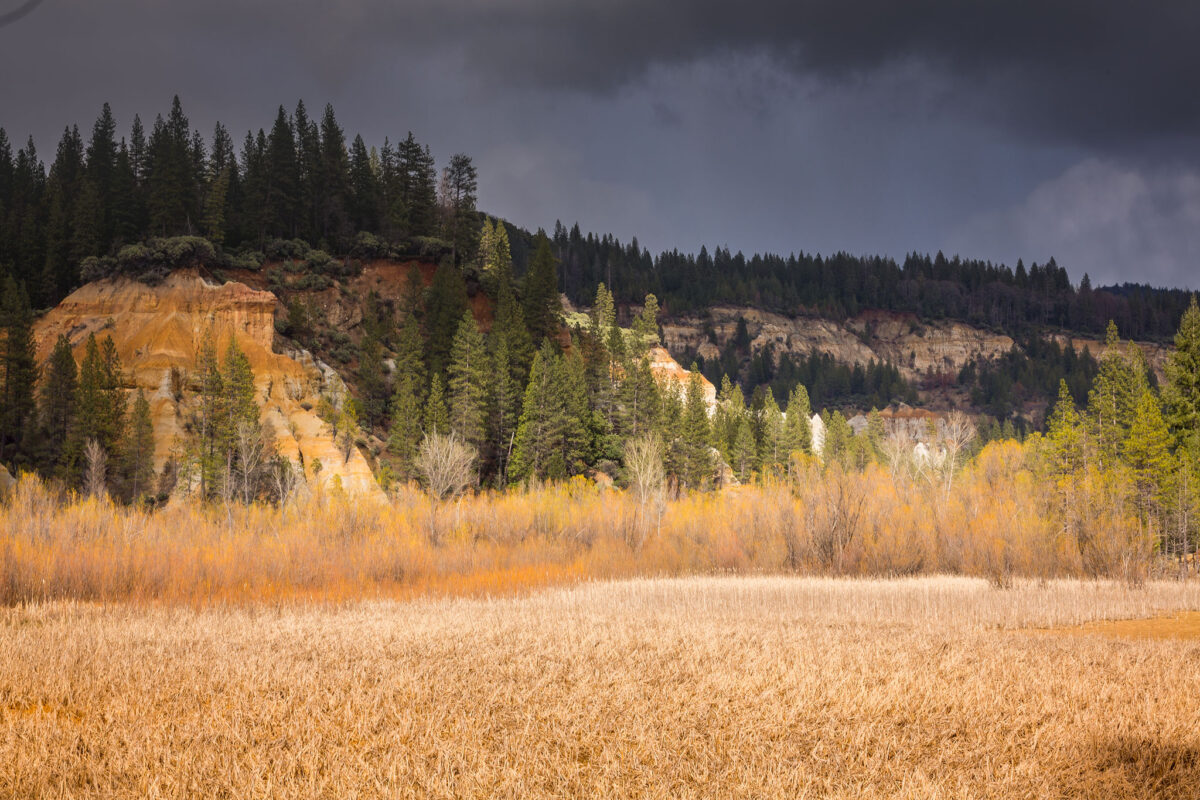
From history buffs to nature lovers, Malakoff Diggins State Historic Park is a must visit destination. Within its 3,000 acre expanse, you’ll discover California’s largest hydraulic gold mine, a preserved ghost town, and miles of scenic trails offering sweeping views of the rugged Sierra landscape, including the dramatic mining scars left behind.
Our First Timer’s Guide will help you explore the park like a seasoned visitor, ensuring you don’t miss any of the must see highlights in this majestic corner of Gold Country.
Getting Here#
Avoid GPS routes that suggest Bloomfield Road or Relief Hill Road as these are unpaved and require high-clearance, 4-wheel drive vehicles.
Instead, take Highway 49 north toward Downieville for 11 miles, then turn right on Tyler Foote Road. Stay on the main paved road (it changes names a few times) until you reach the park:
- Tyler Foote Road → Cruzon Grade Road → Back Bone Road
- Turn right on Derbec Road at the park sign
- Then right on North Bloomfield Road
This route keeps you on paved roads all the way to the park.
Where History Meets Nature#
This park is a unique place where history and nature come together in a truly breathtaking way. It was established in 1965 to preserve an important chapter of California’s mining history, focusing on the era of hydraulic mining and its lasting impact on the landscape. The mining was so destructive that it led to the Sawyer Decision in 1884, the first environmental law in history which banned large scale hydraulic mining.
Where to Start#
No matter when you visit, begin your adventure at North Bloomfield where the visitor center is located. Here you can pick up important information such as trail maps and updates on which areas of the park are open or closed. Inside the building, you will also find fascinating relics from the past, and this is where daily guided tours start, bringing the town’s stories to life.
Visitor Center hours:#
- Memorial Day to Labor Day: Daily from 10 AM to 6 PM
- Rest of the year: Daily from 10 AM to 4 PM
North Bloomfield Ghost Town#
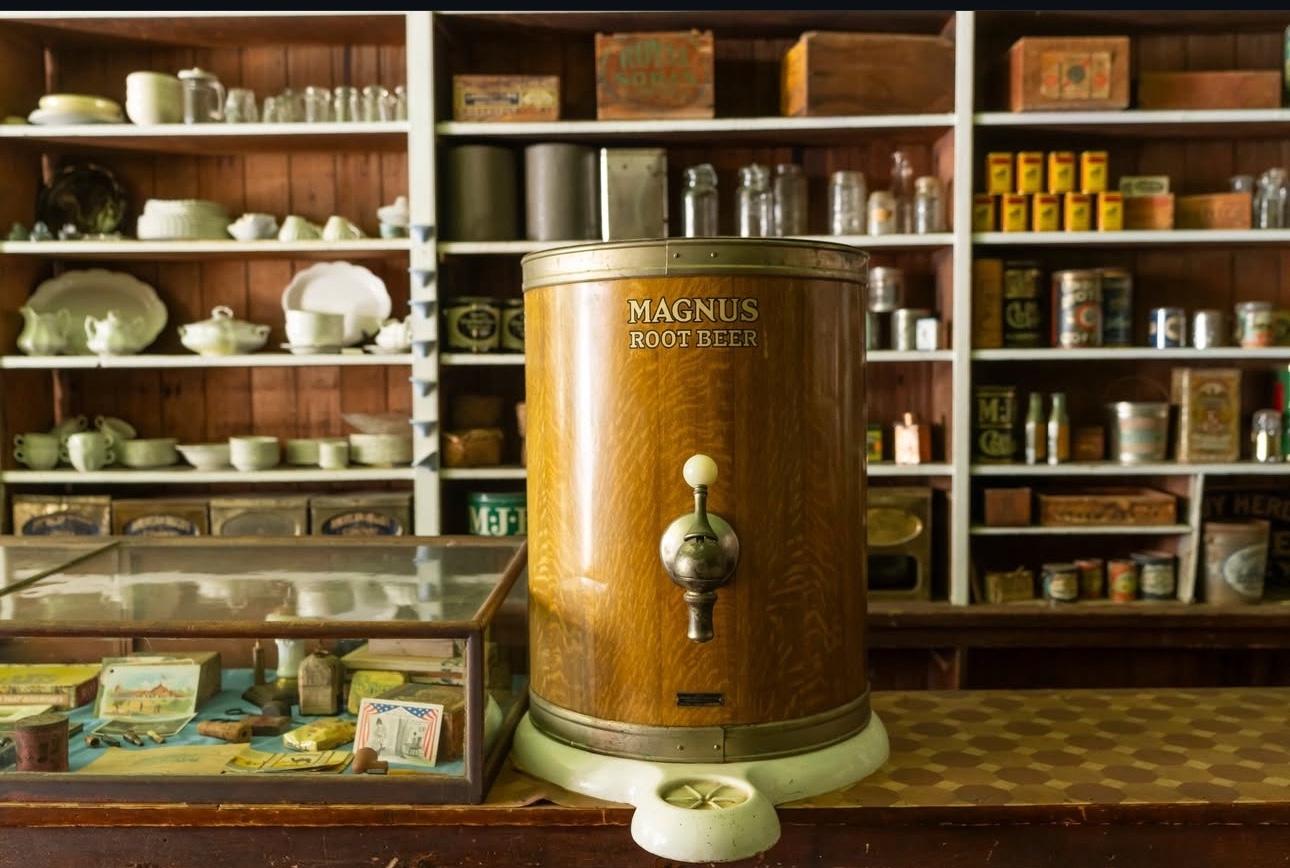
In the 1860s and 1870s, the town of North Bloomfield, also known as Humbug, thrived with nearly 1,500 residents and more than 200 buildings. Today, North Bloomfield remains a remarkably well-preserved ghost town from the 1850s. You can explore a historic general store, saloon, drugstore, old homes, and white picket fences along the dusty streets. Daily tours of the historic buildings are available during the summer and on weekends in winter.
Malakoff Mine Pit#

Malakoff Diggins State Park offers a rare glimpse into a lesser-known chapter of Gold Rush history. Just northwest of the village lies the largest hydraulic mining site in California. This enormous pit shows the destructive power of high-pressure water used to blast away hillsides in the search for gold. In only two decades, the process carved a canyon 7,000 feet long, up to 3,000 feet wide, and nearly 600 feet deep. It sent massive debris flows downstream that buried parts of towns like Marysville and Yuba City under 25 feet of mud and rock.
Hiking#
Within the park’s nearly 3,000 acres, you’ll find close to 20 miles of trails that connect to the extensive trail network of the Tahoe National Forest, including the well known South Yuba Trail. One of the most popular hikes is the Diggins Loop, winding around the Diggins site and offering a bird’s eye view of the dramatic landscape shaped by hydraulic mining. Trail maps are available online and at the Malakoff Diggins Visitor Center. The Nevada City Chamber also offers a helpful overview of their favorite trails within the park.
Humbug Day: A Gold Rush Celebration#
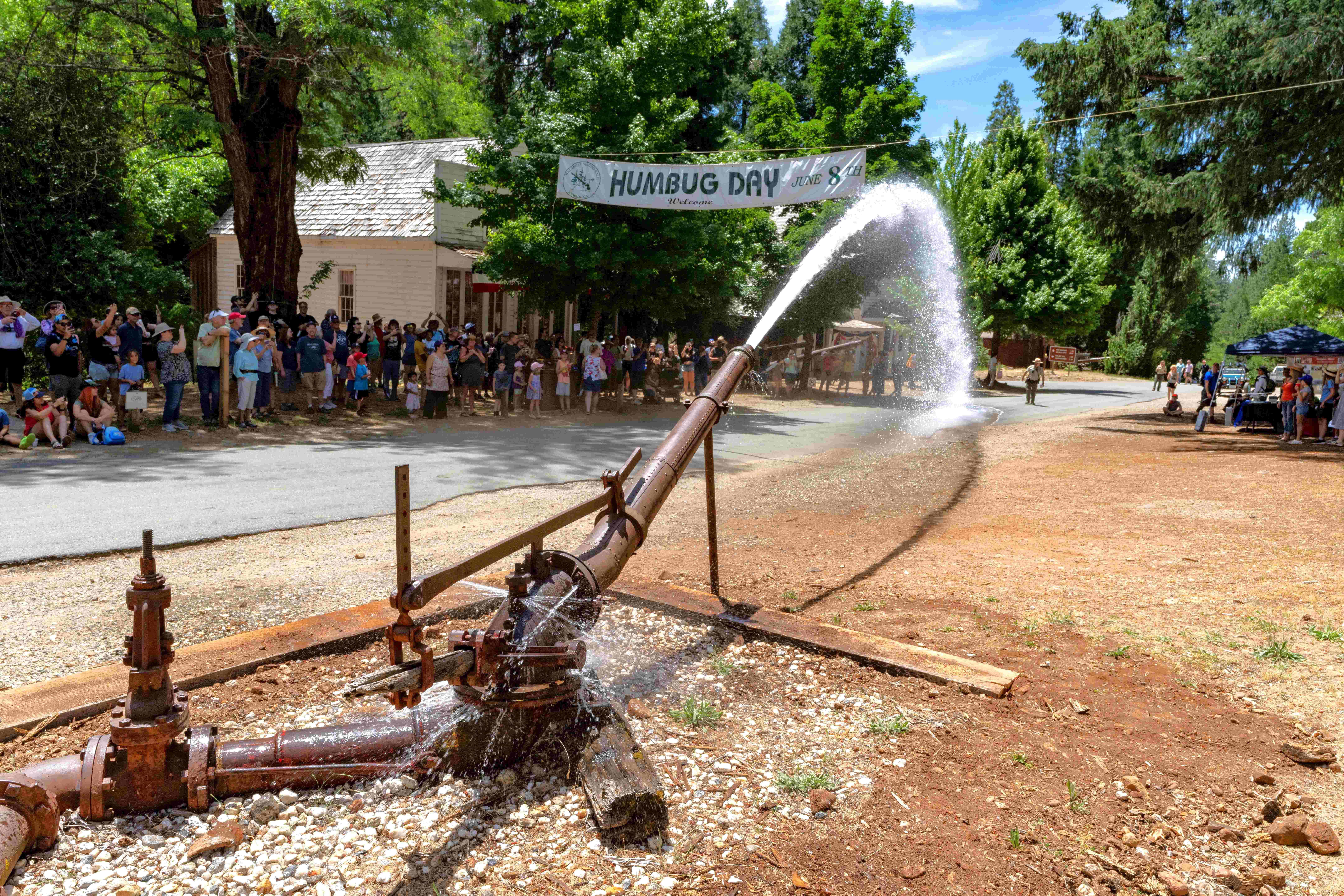
Each year in mid June, North Bloomfield hosts the Humbug Day Festival and the world’s shortest parade, a tradition that has been celebrated for over half a century. It is a unique chance to step back in time as volunteers in period clothing bring the Gold Rush era to life by interpreting historic buildings and sharing 19th century culture. The event features hands on activities like blacksmithing, lace making, gold panning, candle dipping, tin punching, and more.